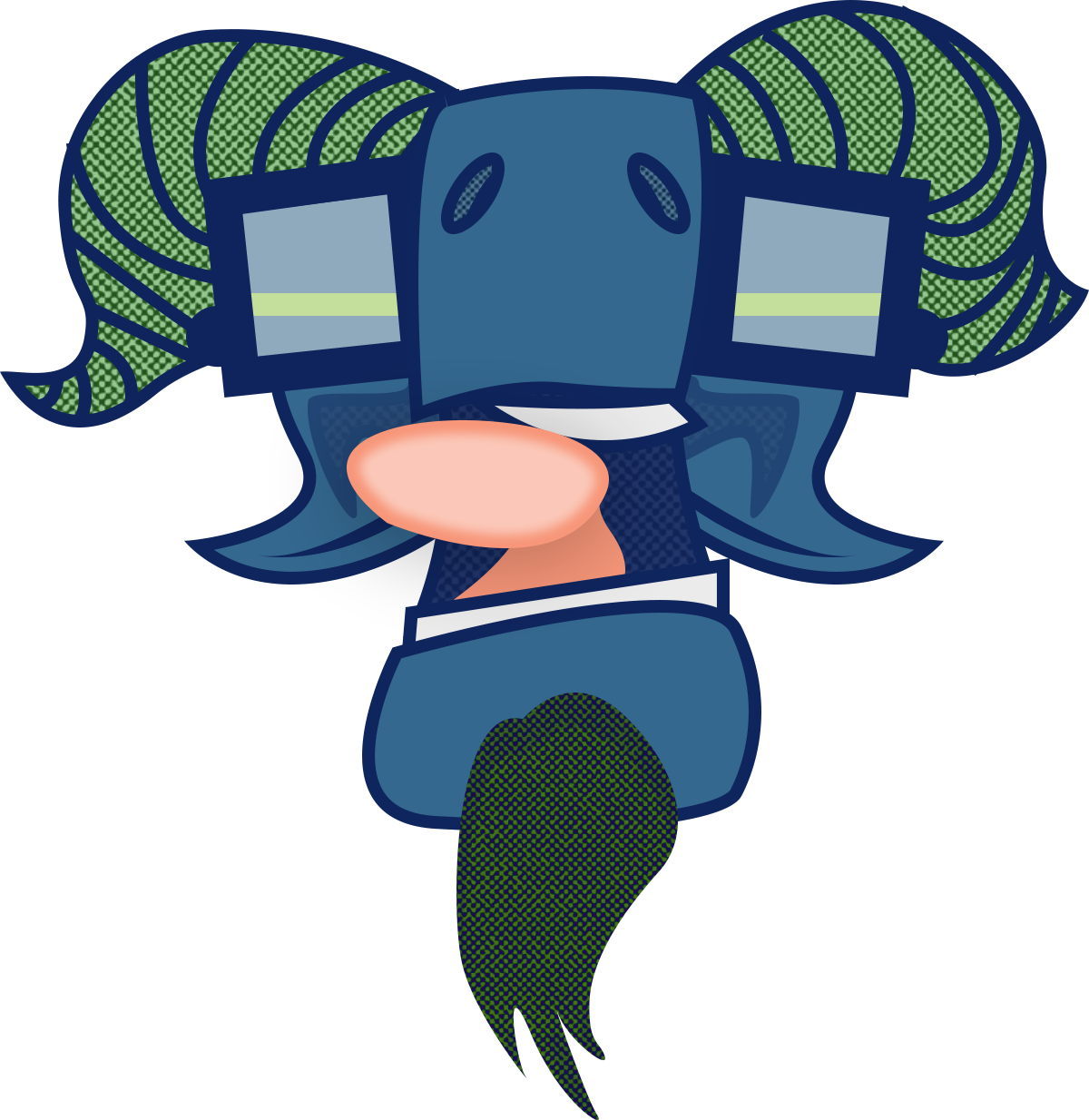

Port Chimera
“The world’s tidepool — every faith flows through, and none stay clean.”
Overview
Port Chimera drifts at the heart of the Chimera Sea, balanced between the radiant continent of Canava to the east and the sleeping titan-land of Thorgun to the west.
It began as a haven for shipwrecks, smugglers, and defectors from both continents and has grown plank by plank into a floating city whose law is trade and whose god is survival.
Every board and barrel here was stolen from someone else’s certainty.
Geography & Structure
The city spirals outward from a half-sunk battleship called the Keelhall, which now serves as the Assembly Hall for its loose government.
Around that hull stretch hundreds of lashed ships, rafts, and barges, creating a labyrinth of creaking walkways and stacked decks.
When storms strike, whole neighborhoods break away and return later under new flags or names.
Maelstrom’s Maw – twin industrial docks that dismantle captured ships for timber and iron.
Cannon Court – forge-belly of the port, where dwarves and gnomes rework Canavan scrap into weapons, tools, and prosthetics.
Four Castles – cluster of towering prows claimed by rival crews; ownership changes nightly through brawls or wagers.
Galleyard – open-air bazaar and social heart of the city, filled with fireworks, fish, and forgeries.
Gibbety Square – tavern-courthouse under the central mast; disputes are settled by dice or duel.
Crow’s Keep – high rigging district housing navigators, scholars, and smugglers who chart the currents of faith and war.
Government & Law
Port Chimera functions as a confederation of captains known as the Captain’s Assembly.
Each captain represents a crew or district and meets aboard the Keelhall once per moon.
Three laws hold:
No one may sink a Chimera-flagged hull within the city’s chain.
All debts must be settled by sunset.
The sea claims the unclaimed.
Law enforcement is handled by mercenary constables called Keelhaulers, hired per week and loyal only while paid.
Faith & Politics
Port Chimera remains the only neutral ground between Serendahl’s stillness and Uldrun’s motion.
Each sect keeps a presence, pretending not to.
Sanctifiers of Stillness maintain a stone-walled embassy on the eastern rim, policing “blasphemous trade.”
Tranquilists operate mediation houses near Galleyard for refugees and repentant pirates.
Pulsewright and Cleftwright sympathizers smuggle Heartroot shards from Thorgun beneath the docks.
Rational Coin clerks oversee ledgers and insurance, claiming neutrality while profiting from all sides.
Naturalist Atheists chart the tides, calling the gods geological inevitabilities.
The Captain’s Assembly survives by keeping each faction equally bribed and equally tired.
No sermon lasts longer than a round of rum.
Economy
Port Chimera trades whatever is forbidden elsewhere.
Exports: Heartroot dust, Mirrorstone fragments, relics from Old Aescharion, forged licenses, and Brasswick cannons.
Imports: food, medicine, lumber, fish, and refugees.
Currency: mixed—Canavan silver, Thorgun chips, and verbal credit.
Dockside proverb: “Coins corrode; favors float.”
Fishing Trade: Lobster and crab fleets, octopus ink exporters, swordfish hunters.
Parrot and Seabird Merchants: Colorful flocks used for messaging or mimicry.
Alon Brasswick of Harlequin Vale: His flamboyant cannons arrive labeled “festival fireworks” and resell through Cannon Court — symbols of status and danger alike.
Embervault Mechanists: Dock occasionally with submersible barges to trade pressure-glass and brasswork; rumors say their mechanical birds spy from the rigging.
Doctor Patch Collaborations: Sailors fitted with brass prosthetics whisper that their new limbs sometimes twitch toward Embervault in their sleep.
The Merfolk of Port Chimera
Native to the Chimera Sea, these amphibious people resemble humans marked by opalescent scales and eyes like tide-pools.
They breathe air and water alike, but must remain near the sea.
Many work as divers, navigators, and salvagers; some migrate up the rivers to Fenmarrow but rarely beyond.
They are accepted as equals within Chimera’s chains — no land laws bind the tide.
The Orphanage of Salt & String
Nestled between Galleyard and Gibbety Square, this ramshackle home shelters the city’s lost children.
Run by Old Harlan Reef, a retired sailor broad as a barrel and kind as a summer tide, the orphanage is both refuge and launchpad.
Harlan teaches knotwork, navigation, and decency; his motto: “If the sea took your past, build yourself a better deck.”
Most of his wards become sailors or pirates; a few, diplomats or healers.
When a child leaves, he gifts them a silver coin with a hole through it — “so luck can breathe.”
Military & Defense
Port Chimera keeps no standing navy; each ship is its own fortress.
Corsair Wings escort convoys when paid.
Relic Keepers salvage divine wreckage for weaponry.
Tidewatch scouts predict raids by studying gull patterns and gossip.
Doctrine: strike first, vanish faster.
During the Heartroot War, Chimera’s fleets carried supplies for every side at once — and taxed them all.
Role in the Heartroot War
When Canava’s Sanctifiers invaded Thorgun, Port Chimera became the artery of the conflict.
Cleftwright smugglers ran weapons, Rational Coin bookkeepers managed ledgers, and Tranquilists ferried the wounded.
The Captain’s Assembly declared neutrality, then sold maps to both fleets.
When peace was declared, the Port hosted the celebration—and robbed both armadas before dawn.
To “make peace in Chimera” still means to profit from contradiction.
Modern Era
Today, Port Chimera endures as Aescharion’s hinge between continents and creeds.
It drifts slowly westward each decade, drawn by the unseen pulse of the Heartroot beneath the sea — as if the city itself listens for Uldrun’s next breath.
To Canava, it remains a tolerated infection — profitable, deniable, and impossible to eradicate.
To Thorgun, a scavenger at the edge of a wound.
To itself, simply home: loud, leaking, and gloriously free.